Mindswap is a small decentralized exchange brand associated with the Polygon ecosystem and the MIND token. It arrived during the 2021 rush of automated market makers that tried to offer cheaper swaps than Ethereum mainnet. That context matters. Mindswap was never a Coinbase or Kraken competitor. It was a niche DeFi product whose usefulness depended heavily on whether its pools still had real liquidity.
The basic idea was familiar to anyone who had used Uniswap or QuickSwap. Users connected a wallet, chose a token pair, approved the token contract, and swapped against a liquidity pool. There was no conventional account desk, no bank transfer route, and no personal support agent ready to reverse a mistake. That is normal for a decentralized exchange, but it makes diligence far more important.
Its original appeal was Polygon's low transaction costs. During periods when Ethereum swaps could cost tens of dollars, Polygon transactions often cost a fraction of a dollar. For smaller traders, that difference was significant. A $100 swap is hard to justify if gas consumes a visible share of the trade. Mindswap benefited from that practical advantage, even if it did not create it.
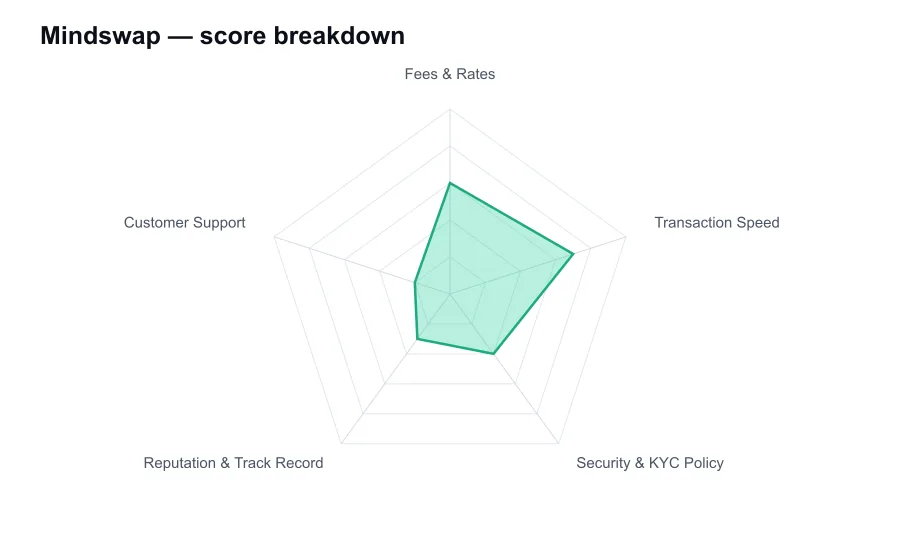
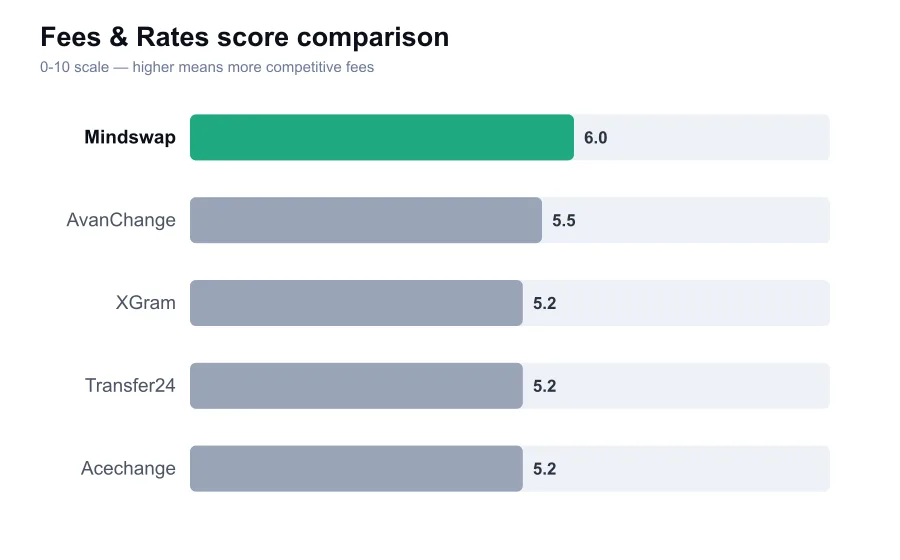
Fees were not the strongest reason to choose Mindswap over better known Polygon venues. Automated market makers generally charge a pool fee, then users also pay network gas. The problem is not that this model is expensive. The problem is that Mindswap's public fee information and pool economics have been far less visible than those of QuickSwap, Sushi, or Uniswap. A low stated fee means little if price impact is high.
That distinction is where many smaller DEX reviews go wrong. A trader sees a modest swap fee and assumes the trade is cheap. In reality, the effective cost includes the pool fee, Polygon gas, price impact, and the difference between quoted and executed price. Thin pools can make the final two costs much larger than the first. Mindswap has never earned enough liquidity depth to dismiss that risk.
Speed is usually fine at the chain level. Polygon confirmations commonly arrive within seconds, and a completed wallet transaction is normally reflected by the application quickly. The slow part is not the blockchain. It is finding a route with tolerable liquidity and checking whether a token approval or failed transaction has left the wallet exposed to another attempt. Fast settlement does not repair a poor execution price.
Security is a more difficult subject. Mindswap's noncustodial structure means users retain wallet control until they approve a contract interaction, which is better than depositing coins with an obscure centralized platform. Yet self custody shifts the burden onto the user. A malicious token, an incorrect contract address, or an unlimited approval can cause losses without any exchange operator being able to help.
I would be particularly cautious with old DeFi interfaces and abandoned token ecosystems. Smart contracts can remain on chain long after a team stops maintaining the front end or answering questions. A working swap page is not proof that a project is actively supervised. Before approving anything, users should independently verify the contract address, inspect liquidity, and limit approvals to the amount needed for the trade.
Mindswap has a modest public record rather than a deep institutional one. It was known in the Polygon DeFi cycle, but it did not build the lasting brand recognition, audit visibility, or broad user base of the major decentralized exchanges. That does not automatically make it unsafe. It does mean that the normal benefit of the doubt should not apply.
The MIND token adds another layer of risk. Governance and reward tokens from the 2021 DeFi period often depended on emissions incentives that faded once liquidity mining cooled. A token can continue trading even when the original product has little activity. Readers should separate the token's speculative market from the exchange's actual utility. They are related, but they are not the same thing.
Customer support is not a meaningful reason to select Mindswap. Decentralized protocols usually rely on documentation, community channels, and wallet transaction records rather than ticket based support. If a swap is sent to the wrong address or approved through the wrong network, recovery is generally impossible. Anyone who expects a chargeback process should use a regulated centralized exchange instead.
The clearest comparison is with QuickSwap. Both fit Polygon's low cost trading model, but QuickSwap has historically had broader liquidity, a more recognizable public presence, and more reason for a trader to expect current activity. Mindswap may occasionally show an attractive quote for a particular long tail asset, but that is a trade specific opportunity, not a general endorsement.
I would not use Mindswap for a large swap, treasury conversion, or first DeFi transaction. Those users need deeper pools, clearer documentation, and active support channels. A technically capable wallet user making a small experimental trade can assess it directly with a block explorer, a token scanner, and a tiny test transaction. That is the appropriate level of trust here.
My view is blunt. Mindswap is a historical Polygon DeFi name with a potentially useful noncustodial design, but it lacks the transparency and current market standing required for a strong recommendation. Low Polygon fees are real, though they are a network benefit rather than a Mindswap advantage. Unless a specific pool offers clearly better execution after a small test, established Polygon DEXs are the safer choice.