SatoshiTango is an Argentina-based cryptocurrency platform that has been operating since the early years of the local bitcoin market. It provides buying, selling, custody, wallet services, and payment-oriented crypto functions for users who want access through a familiar regional provider. Its appeal is practical rather than glamorous. It is built for people who need a route between local money, cryptoassets, and everyday financial activity.
That positioning matters in Argentina, where inflation, exchange restrictions, and demand for dollar-linked value have shaped how consumers approach crypto. A platform that understands local payment habits can be more useful than a globally famous exchange with awkward peso support. SatoshiTango has built its name around that local relevance, and its longevity gives it an advantage over many short-lived retail apps.
The platform is a custodial exchange and wallet provider. Customers generally create an account, complete verification, add funds, trade available assets, and can withdraw supported crypto or use other available functions. This is familiar and convenient, especially for someone buying their first stablecoin. It is also a trust arrangement. The platform, rather than the user, controls the private keys for assets held inside its system.
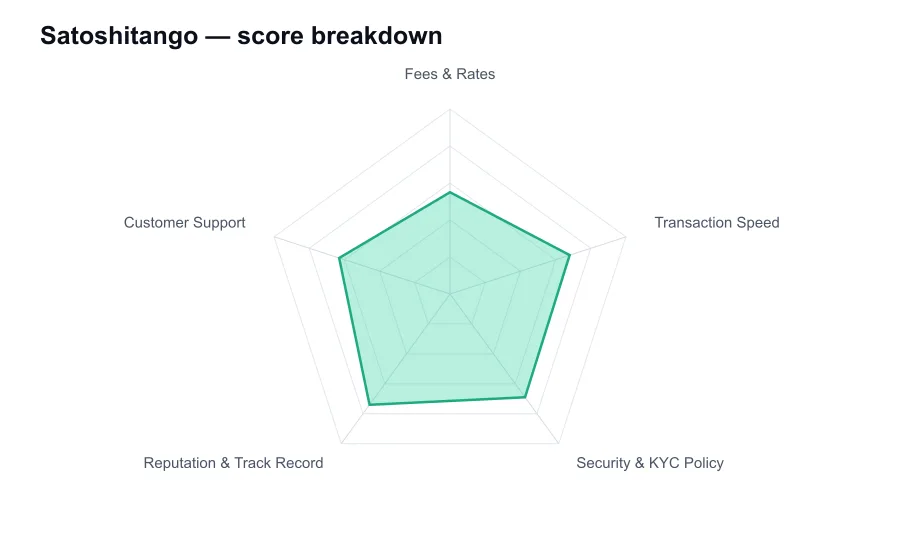
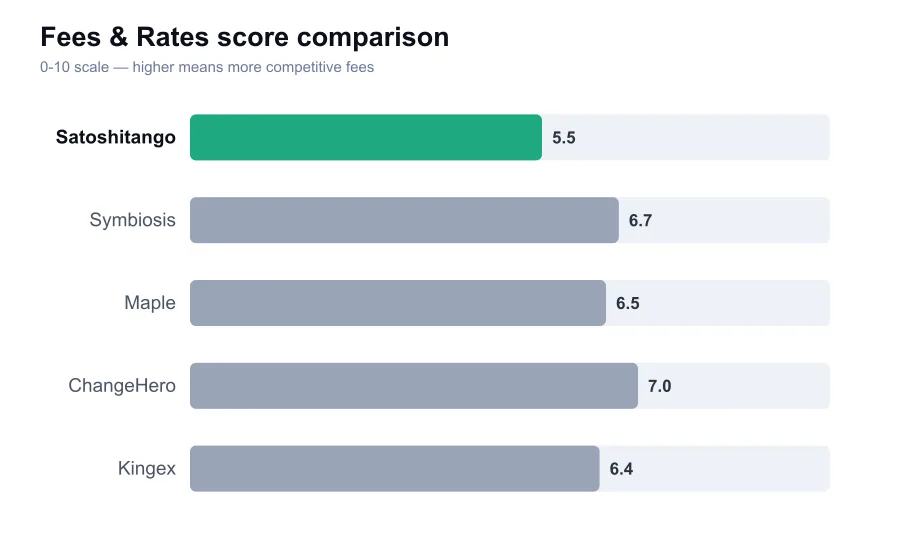
Fees are not SatoshiTango's strongest selling point. Retail-facing platforms often present an all-in price rather than a professional trading fee schedule with clear maker and taker tiers. That means spread matters. Before buying bitcoin or a stablecoin, check the final amount of crypto received and compare it with other local options. The easiest service is not always the cheapest, particularly during sharp market movement.
This does not make SatoshiTango unusually bad. It simply places it in the same category as many regional on-ramp providers where local access and simplicity are part of the price. For a small purchase funded through a local method, that trade-off may be sensible. For repeated conversions or larger balances, a few percentage points in spread can become expensive quickly.
Withdrawal costs need the same care. Blockchain fees vary by network, and providers may apply their own withdrawal charges or minimums. Ethereum transfers can cost far more than transfers on lower-cost networks, but sending an asset on the wrong network is worse than paying a higher fee. The receiving wallet or exchange must explicitly support the network selected at withdrawal.
Transaction speed is usually adequate for account-to-account actions and routine crypto trades. Deposits and withdrawals are more variable. Local bank and payment rail processing has its own timetable, while blockchain withdrawals depend on internal review and network confirmations. A user transferring BTC should expect a different experience from someone sending a token on a high-throughput chain.
SatoshiTango's KYC requirement is not optional for normal account use. That should be expected from a platform connecting crypto activity with local money and payment products. Customers should be prepared to provide personal details and potentially additional documentation if their activity or transaction size requires it. It is not the right service for someone whose priority is anonymous onchain access.
Security starts with custody. SatoshiTango has responsibility for protecting customer balances, maintaining systems, and processing withdrawals securely. The user has responsibility for their account credentials, device security, and phishing awareness. Enable two-factor authentication if offered, use a unique password, and never trust an unsolicited message that asks for a code, password, or recovery information.
A regional exchange's reputation is often measured in years of continuous operation. SatoshiTango was founded in 2014, which is meaningful in a sector where many companies do not survive one major bear market. It has remained visible in Argentina's crypto market through difficult economic conditions and several market cycles. That track record is reassuring, although it is not a substitute for prudent limits on custodial balances.
Compared with international exchanges, SatoshiTango is less compelling for deep liquidity, complex order types, and broad altcoin discovery. Users looking for perpetual futures, sophisticated APIs, or institutional execution should not try to force this platform into a role it was not built for. Its value lies in local access, basic buying and selling, and a more familiar regional customer experience.
Support is important because local fiat transfers and compliance reviews can create questions that a purely onchain protocol never faces. SatoshiTango provides help and contact channels, but customers should keep records of transactions and communicate in a structured way. Include the amount, currency, timestamp, transaction ID, and any wallet address involved. That makes a real investigation possible.
The platform's payment-card and crypto payment ambitions are interesting for users who want cryptocurrency to be more than a speculative balance. Yet spending crypto can involve conversion spreads and tax consequences. Treat a crypto card purchase as a sale or conversion until you have checked the applicable rules in your jurisdiction. Convenience does not eliminate recordkeeping.
My assessment is that SatoshiTango remains a credible local platform for verified users in its core market. It has experience, a practical product set, and an understanding of Argentine crypto demand that global platforms may lack. I would use it for local access and modest operational balances, not as the permanent storage location for a serious long-term portfolio. The service makes most sense when its local convenience is genuinely worth more than the extra cost of a retail spread.