Maple is a credit protocol rather than a retail exchange, and that distinction explains both its appeal and its risks. It was built to bring onchain lending to institutions and sophisticated capital providers, using pools, credit assessment and professional borrowers rather than the fully collateralized model popularized by Aave. Its more recent Syrup products have also opened parts of the offering to a wider DeFi audience. This is credit finance with blockchain settlement, not a place to casually swap coins.
The central idea is straightforward. Capital providers deposit assets into a lending pool, and borrowers draw loans under terms set by the pool structure and credit process. Maple's early identity was undercollateralized institutional lending, which offered yields that looked more like credit markets than automated overcollateralized DeFi. That model can be useful, but it carries a risk that many crypto users underestimate: borrower default is a real possibility, not merely a theoretical smart contract event.
Maple's current product range has changed materially over time. The protocol and associated entities have offered pools with different mandates, collateral policies, liquidity conditions and access rules. Syrup markets have made USDC focused yield products more accessible, while institutional Maple offerings can involve eligibility, onboarding and lender restrictions. Readers should never assume a yield shown for one pool applies to another. The pool's exact documents, assets and borrower terms matter far more than the Maple name alone.
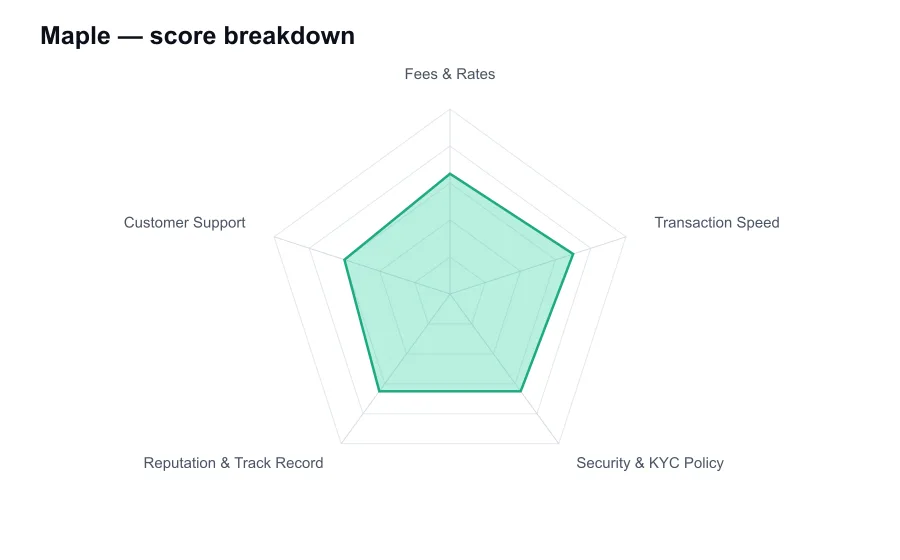
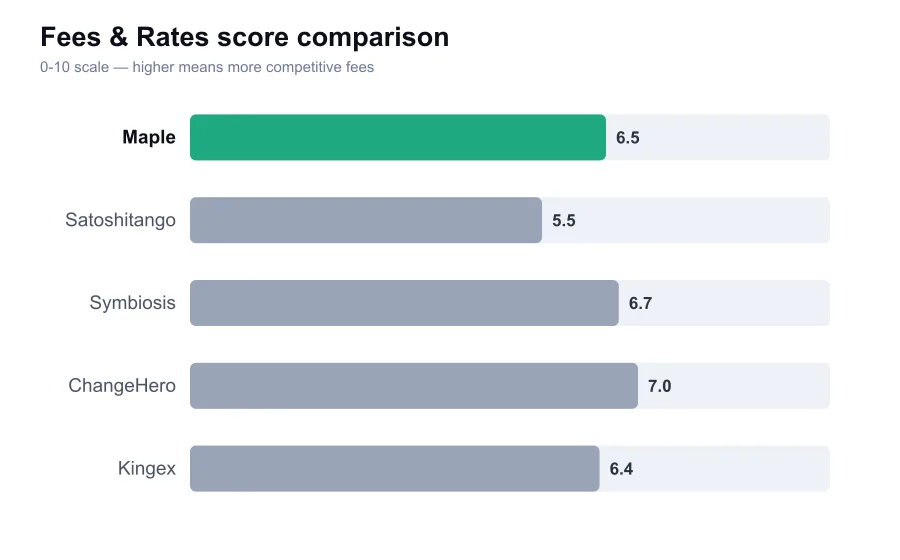
Fees are not as simple as a flat trading commission. Pool participants may encounter management fees, performance fees, withdrawal or liquidity terms and smart contract transaction costs, depending on the product. Yield figures are generally quoted net of some pool level costs, but users should read the applicable pool documentation rather than treating a headline annual percentage yield as guaranteed income. In credit markets, the return is payment for taking credit, liquidity and protocol risk.
Compared with a straightforward stablecoin lending pool on Aave, Maple can offer a more curated credit proposition. That can improve capital efficiency and potentially provide attractive yield, especially where the borrower set is actively managed. It also introduces judgment risk. The pool manager, delegates, underwriting process and borrower disclosures become important. An automated liquidation system may be brutal, but it is easy to inspect. Credit decisions made by people require a different form of trust.
Speed is good where Maple is strongest: settlement and pool interaction occur onchain, commonly through Ethereum compatible infrastructure, without bank style multi day settlement. Deposits can be reflected after blockchain confirmation. Withdrawals, however, depend on the pool's liquidity design and any queue or notice period. That distinction is vital. A tokenized lending position is not the same thing as instant cash, even if a dashboard displays a current value.
The security picture is layered. Smart contract security matters, as it does in every DeFi protocol, and users should review audits, documentation and the exact contract addresses. But Maple adds borrower and counterparty risk on top. There is no technical design that can make a borrower solvent after a genuine credit loss. A safe smart contract can still hold an impaired loan. Anyone rating Maple only on code audits is missing half the risk.
The protocol's reputation has to include the 2022 Orthogonal Trading default. Orthogonal's failure caused losses connected to Maple pools and was a sharp reminder that undercollateralized lending can deteriorate rapidly when disclosures are poor. Maple did not disappear after that episode, and the event drove a more conservative evolution in its products and credit approach. Still, it should remain part of any honest assessment. A track record means learning from bad periods, not pretending they never happened.
That history makes Maple less suitable for users who want a deposit account substitute. Stablecoin lending has its own layers of risk before Maple enters the picture: the stablecoin issuer, banking rails, smart contracts and market liquidity. Maple adds pool and borrower exposure. Higher yields can be rational, but they are not free. A user who cannot explain why the yield exists should not be allocating capital to it.
KYC depends on the product. Maple's institutional credit markets have historically involved permissioned access and borrower due diligence, whereas permissionless DeFi facing products can be accessed from a compatible wallet subject to the applicable interface and jurisdictional rules. This is not a simple no KYC or mandatory KYC answer. Prospective users must identify the exact pool, not make assumptions based on an old article or a general statement about the protocol.
Support is better than what one gets from an anonymous smart contract project, but it remains protocol support rather than a traditional brokerage help desk. Maple provides documentation and official community channels, while institutional participants can have more direct relationships. Retail users should still assume that self custody mistakes are final. A support team can clarify a pool's mechanics, but it cannot reverse a signed transaction or guarantee that a pool has immediate exit liquidity.
Maple has a credible place in the more mature part of DeFi. It has survived a painful credit cycle, refocused its product offering and continued to develop institutional onchain lending. That is more substantial than a yield farm with no history. It is also not enough to erase the fact that credit underwriting is difficult, especially in crypto where balance sheets and collateral can change value quickly.
For practical use, start with the pool documents. Identify the asset, borrowers, collateral approach, redemption terms, fees and legal structure. Deposit an amount small enough to treat as risk capital, then observe how subscription and redemption work before scaling up. Keep wallet security tight and do not chase a displayed annualized rate that may change as pool utilization changes. The best Maple user is deliberate, skeptical and willing to read.
My view is that Maple is a serious protocol for sophisticated stablecoin and credit participants, but it is not a simple savings product. The infrastructure and institutional ambition are real, and its post 2022 evolution deserves more credit than critics who dismiss it outright allow. Yet the Orthogonal episode permanently proves why this category needs careful sizing. Use Maple only if you understand that yield can be interrupted by credit losses and liquidity constraints.