Liquity is one of DeFi's clearest examples of a protocol built around a narrow idea and executed with unusual discipline. Its original product lets Ethereum users deposit ETH as collateral and borrow LUSD, a decentralized dollar. The pitch was never broad banking functionality. It was simple, censorship resistant borrowing without recurring interest charges, run by smart contracts rather than a credit desk. That focus still separates it from Aave, Maker and most centralized lenders.
The first thing prospective users need to understand is that Liquity is not an exchange in the conventional sense. You do not create an account, hand over identity documents or send coins to a company that controls them. You connect a self custody wallet, open a Trove, deposit ETH and mint LUSD against it. Your wallet signs every meaningful action. That is liberating for experienced users, but it also means there is no operator who can reverse a bad transaction or recover a lost seed phrase.
The original Liquity design has a 110% minimum collateral ratio. In plain language, borrowing 2,000 LUSD requires at least $2,200 of ETH collateral at the relevant price. Running that close to the floor is reckless. ETH can move fast enough to turn a seemingly comfortable position into a liquidation candidate in hours. Sensible borrowers leave much more room, especially during volatile periods. Liquity's promise of no ongoing interest does not erase liquidation risk.
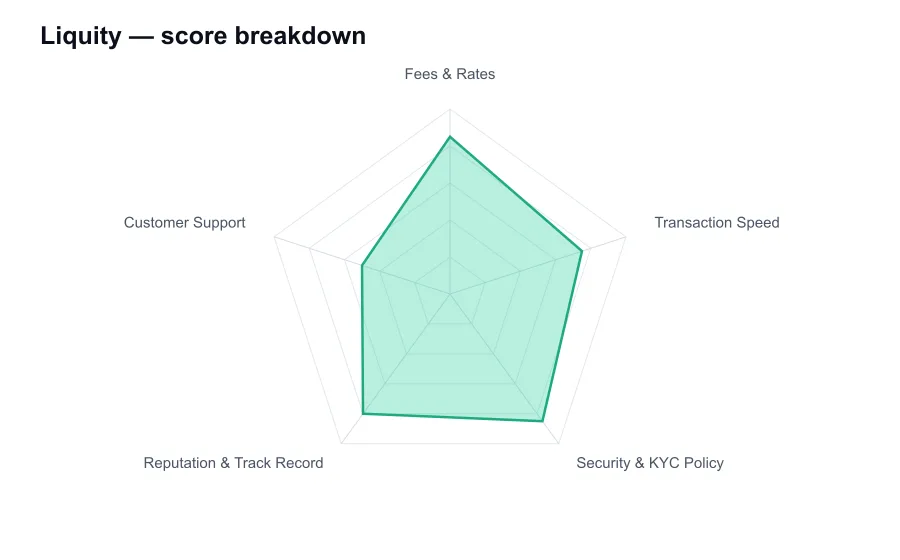
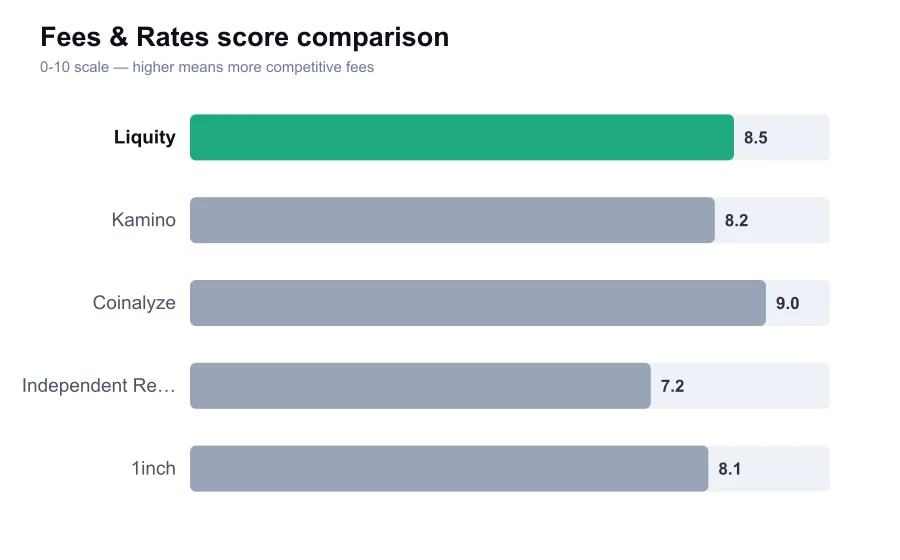
Fees were a major reason Liquity gained an audience. LUSD borrowing carries a one time fee, historically set at a minimum of 0.5% and adjusted by the protocol's base rate. There is no traditional annual percentage rate accumulating every block on the original system. For someone who wants to borrow for months without paying a variable lending rate, that structure can be genuinely attractive. It is particularly compelling compared with variable rate pools whose borrowing costs can spike just when market conditions become difficult.
That said, calling Liquity cheap without qualification would be sloppy. The borrowing fee can rise after significant LUSD redemptions, and Ethereum gas costs remain external to the protocol. Opening, adjusting and closing a Trove during network congestion can cost more than a small borrower expects. The protocol is most economical for positions large enough that gas is a minor percentage of the transaction, rather than for someone trying to borrow a few hundred dollars.
LUSD redemptions are another essential part of the system. Holders can redeem LUSD for ETH from the lowest collateralized Troves, which gives the token a mechanism intended to keep it close to one dollar. That mechanism is clever, but borrowers should not treat it as a remote theoretical detail. If your Trove is among the least collateralized, a redemption can reduce debt and collateral without your choosing the timing. You retain the collateral ratio of the remaining position, but the position may no longer match your plan.
Liquity's Stability Pool is where the system's incentives become more interesting. Users can deposit LUSD into it, helping absorb debt from liquidated Troves in exchange for ETH liquidation gains and protocol incentives. It is not a savings account. Depositors take liquidation exposure, their LUSD balance can be reduced during liquidations, and their outcome depends heavily on ETH price moves and the timing of those liquidations. The returns can look attractive during stressed markets because the risk is real.
Transaction speed is primarily an Ethereum question. A wallet confirmation may arrive quickly, while finality and the practical ability to react depend on chain conditions. Liquity does not impose the sort of manual review queue common at centralized exchanges, which is a genuine advantage. Still, a borrower who waits until a position is close to liquidation may discover that gas spikes and wallet errors are just as unforgiving as a centralized platform's withdrawal delay.
The protocol's security model deserves credit for being legible. The original Liquity contracts were designed to be immutable, and the protocol's core rules are public rather than subject to daily policy changes by a lender. That reduces governance and administrator risk. It does not remove smart contract risk, oracle dependency or the danger of a severe ETH drawdown. DeFi users sometimes confuse immutability with safety. In reality, it means mistakes can be harder to change.
Liquity has also evolved beyond the original LUSD system through Liquity V2 and the BOLD stablecoin architecture. V2 introduces user selected interest rates and different collateral branches, which broadens the product but makes it less immediately simple than the first version. Existing users should check carefully which interface and stablecoin they are using. LUSD and BOLD serve different protocol designs, and advice written for one should not automatically be applied to the other.
Its reputation is strong in the technical DeFi community. Liquity has been around since 2021, survived several violent crypto market cycles and retained respect because it did not chase every fashionable product category. The protocol's LQTY token and decentralized design helped it build a committed user base. Still, LUSD never achieved the scale of USDC, USDT or DAI, so users should be realistic about liquidity and integrations outside Ethereum focused DeFi.
Support is where the tradeoff becomes obvious. Liquity has documentation, community channels and an ecosystem of front ends, but it does not provide the reassuring human account support that a large centralized exchange advertises. If you make a transaction error, encounter a malicious front end or lose wallet access, there is no ticket that restores funds. The community can help explain mechanics, but it cannot alter an immutable onchain outcome.
The interface itself is competent, though it assumes that the user understands collateral ratios, liquidation mechanics and wallet approvals. That is appropriate for the product, yet it limits Liquity's appeal as a first crypto experience. A newcomer may find a regulated exchange or a simpler lending app more forgiving. Liquity is best used with a hardware wallet, a carefully checked official link and a collateral buffer that looks excessive before the market turns ugly.
My view is that Liquity remains one of the better designed decentralized borrowing protocols, precisely because it has resisted unnecessary complexity for much of its life. The fee model is excellent for the right borrower, and the permissionless structure is meaningful rather than decorative. But it is a tool for people who understand ETH collateral risk, not a passive income product or a substitute for cash. If you need support, guaranteed dollar liquidity or protection from liquidation, look elsewhere.